The global energy transition is no longer constrained by the cost of renewable generation. It is constrained by the physical limits of the wires. In 2026, the strategic bottleneck for the U.S. and Europe has shifted from the turbine and the panel to the interconnection queue. For the C suite, leadership in energy now requires a transition from adding raw capacity to mastering grid orchestration and regulatory navigation.
The Grid Modernization Xchange 2026 provides the operational blueprint for this shift. As Western grids struggle under the weight of massive backlogs, the priority is the deployment of Grid Enhancing Technologies (GETs) and High Voltage Direct Current (HVDC) corridors to maximize existing asset utilization and unlock stranded renewable energy.
Breaking the Interconnection Deadlock
In the United States, the implementation of FERC Order 1920 has fundamentally changed how transmission is planned. In Europe, the EU Grid Action Plan is accelerating “Projects of Common Interest” to create a unified continental supergrid. These are no longer just engineering challenges. They are financial and legal mandates to clear the queues that currently hold gigawatts of clean energy in limbo.
- Long-Term Planning: Shifting from reactive, localized upgrades to 20-year regional transmission roadmaps that account for the massive surge in data center and industrial power demand.
- Cost Allocation Clarity: Navigating new frameworks that clarify who pays for multi-state and cross-border projects, reducing the litigation risks that have historically stalled major grid expansions.
- Inter-regional Transfer Capacity: Building the high-capacity HVDC “backbones” required to move offshore wind from the North Sea or solar from the American Southwest to high-demand industrial hubs.
Monetizing Grid Intelligence
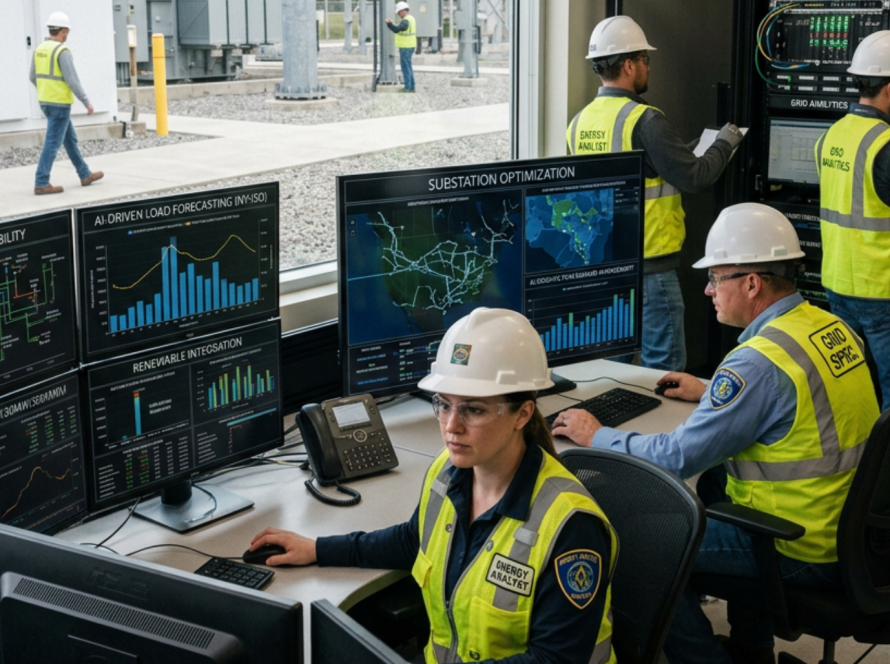
The most capital-efficient way to modernize the grid in 2026 is to optimize the edge. Digital transformation is allowing utilities to squeeze up to 40 percent more capacity out of existing lines without the multi-year wait times of new construction.
Strategic Leverages for 2026:
- Dynamic Line Rating (DLR): Utilizing real-time weather and temperature data to adjust power flow safely, maximizing throughput during periods of high demand.
- Topology Optimization: Deploying software that re-routes power around congested nodes in real time, effectively acting as a “Waze for the Grid.”
- Virtual Power Plants (VPPs): Aggregating distributed energy resources to provide the sub-second frequency response necessary to maintain stability in a high-renewables environment.
The ROI of Reliability and Resilience
As extreme weather events become more frequent, the economic cost of grid failure is reaching unsustainable levels. For leadership, investment in grid modernization is an insurance policy against catastrophic operational downtime.
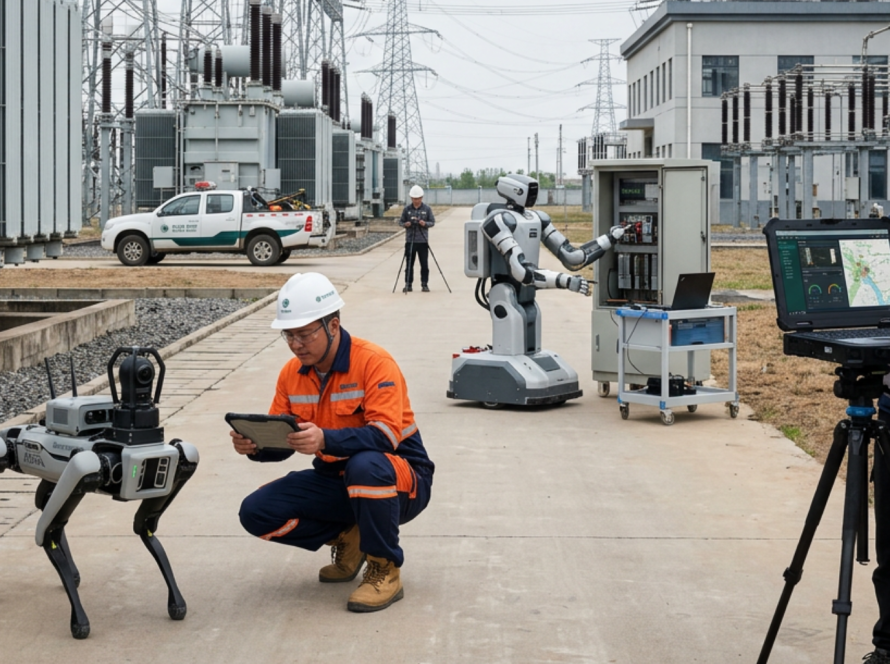
The successful organizations of 2026 are those that view the grid as a dynamic asset. By integrating advanced sensors and AI-driven predictive maintenance, utilities are transitioning from “break-fix” models to proactive system management. This shift protects the bottom line while meeting the stringent reliability standards now required by regulators and industrial customers alike.
Join the industry pioneers and utility leaders defining the next phase of grid intelligence in the U.S. and Europe. Discover the technical sessions and speaker lineup by visiting our official agenda page.