The fastest new transmission capacity in America may come from lines that already exist.
On September 24, the U.S. Department of Energy said it intends to fund 31 grid-improvement projects across 26 states under SPARK, its Speed to Power through Accelerated Reconductoring and other Key Advanced Transmission Technology Upgrades initiative. The federal share is $1.9 billion, paid through the Grid Resilience and Innovation Partnerships program. Recipients are adding another $3.35 billion, so the total comes to $5.25 billion, according to DOE.
DOE expects a lot in return. Under its plan, more than 1,500 miles of transmission will be reconductored or rebuilt and grid-enhancing technologies will go in across nearly 21,000 miles. The department says the work will make more than 23 GW of additional capacity available and that about 100 million Americans will benefit.
The industry has spent years fighting over how to site new corridors. With SPARK, Washington is backing a different answer.
Existing Rights of Way Are Where the Capacity Is
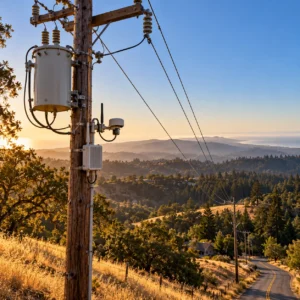
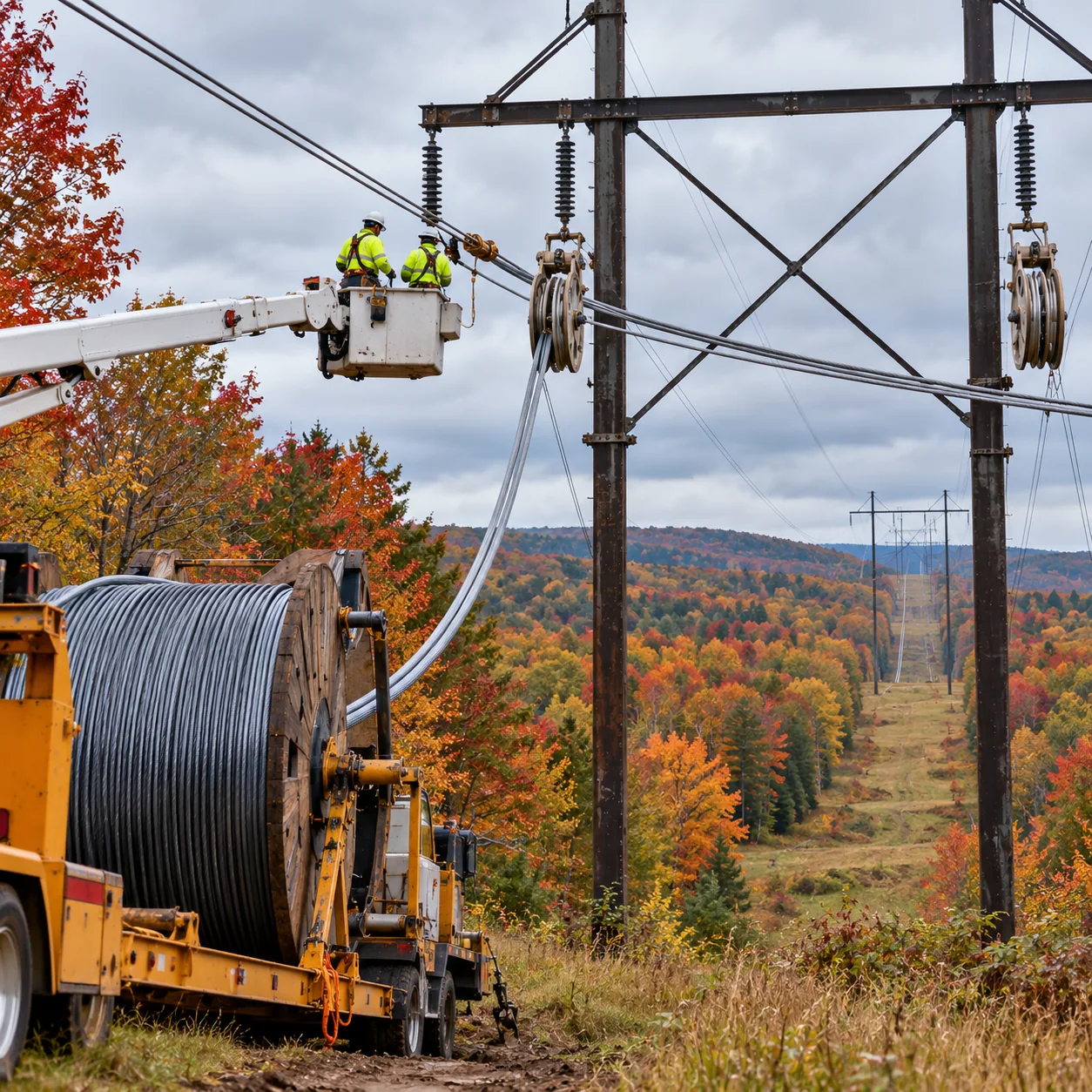
Reconductoring means stringing higher-capacity advanced conductors on existing structures. Grid-enhancing technologies such as dynamic line ratings use sensors and analytics to calculate what a line can safely carry in real time, instead of relying on conservative static ratings. Neither one needs a new corridor, and new corridors are where most transmission projects get stuck.
DOE presented the selections in those terms, saying the approach avoids the multi-decade timelines that come with building new transmission corridors. Energy Secretary Chris Wright said the investments “will get more out of the infrastructure we already have, move more electricity across the grid, and help deliver affordable, reliable, and secure power.”
That is a practical argument. It is also an argument about affordability, which matters to state regulators under pressure over rising bills.
The Selections Reach From Large Utilities to Rural Co-ops
The list is broad. Utility Dive reports that recipients include Alabama Power, Duke Energy Carolinas, Eversource Energy, PPL Electric and Kit Carson Electric Cooperative. The selections also include a $1.2 billion project to increase interregional transfer capability across Colorado, Texas and neighboring regions.
In Pennsylvania, PPL Electric Utilities’ Montour Grid Resilience Project is in line for up to $71.5 million. According to coverage on mgrid.org, the money will help rebuild about 29.3 miles of an existing 230-kV corridor serving the Susquehanna Valley, the Lehigh Valley and northeast Pennsylvania.
Kit Carson Electric Cooperative in northern New Mexico is a much smaller project. It is set to receive $38.1 million toward a $50.8 million effort to reconductor 25.5 miles of 69-kV line between Questa and Taos and add dynamic line rating. The cooperative is paying $12.7 million and serves nearly 30,000 members across Taos, Colfax and Rio Arriba counties. “Wildfires, high winds and extreme weather can put tremendous pressure on our electric system,” said Kit Carson CEO Luis Reyes.
That range matters.
Advanced conductors and line sensors are no longer limited to large transmission owners with innovation budgets. A 69-kV co-op line in the high desert and a 230-kV corridor in Pennsylvania are now funded by the same federal program, and both are expected to show results.
Load Growth Needs Capacity on a Utility Timeline
The timing makes sense. Demand from data centers, manufacturing and electrification is arriving faster than greenfield transmission can be permitted. Reconductoring fits inside a utility’s normal capital cycle and stays within existing easements. That is why it has gone from a research topic to a mainstream planning option.
For developers and large-load customers, the key questions change.
Where is the nearest constrained line?
How quickly can its owner upgrade it?
Those are much easier to answer than the question of when a new high-voltage line will clear siting. A utility that can show credible capacity gains on existing corridors can make firmer commitments to customers who are waiting to connect.
Execution Will Decide How Much of the 23 GW Counts
The headline number needs some unpacking. As mgrid.org pointed out, the 23 GW figure combines two different things. Rebuilt and reconductored lines add permanent capacity, while grid-enhancing technologies release headroom that already exists when weather and loading allow. Both are valuable. They are not the same, though, and planners will have to treat them differently.
The awards are also selections, not signed agreements. DOE describes them as intentions to fund, and in Kit Carson’s case final agreements were expected in October. After that, each project still has to get through procurement, outage scheduling and construction.
Sponsors will need to get several things right:
- Securing advanced conductor supply and qualified line crews early
- Scheduling line outages around summer and winter peaks
- Building dynamic line ratings into operator and market systems
- Agreeing with grid operators on how real-time ratings are used
- Measuring capacity gains so regulators can see the return
- Lining up cost-share commitments with rate cases
A Template for the Next Round of Grid Investment
SPARK’s bigger significance is that it gives regulators and utilities a set of federally backed reference projects. Thirty-one sponsors in 26 states will produce cost, schedule and performance data on reconductoring and grid-enhancing technologies at scale. State commissions have asked for exactly that kind of evidence before treating these tools as standard practice.
Catherine Jereza, DOE’s assistant secretary for the Office of Electricity, said the department “is moving with urgency to strengthen our grid, lower costs, and ensure America has the energy infrastructure needed to power the next generation of economic growth.”
If the projects deliver, it will be hard to argue against making existing corridors the first place to look for new capacity.
The country will still need new lines. More and more, though, the cheapest megawatt of transfer capacity is the one strung on towers that are already standing.