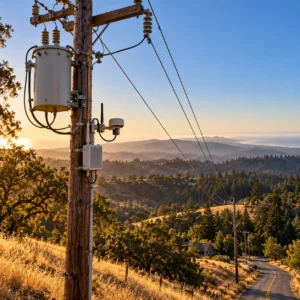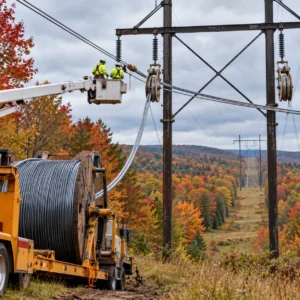

The U.S. electric grid stands at a defining moment. Decades of underinvestment, surging power demand, and accelerating climate pressures have created the need for bold modernization. Nearly one third of transmission lines and almost half of distribution assets are operating beyond their intended lifespan. With electrification accelerating and distributed energy resources multiplying, grid transformation is no longer optional; it is urgent.
The Pressure on the Power System
Regulatory reforms such as FERC Order 2222 are reshaping the operating model for utilities. This mandate allows distributed energy resources such as solar, wind, and battery storage to be aggregated and traded in wholesale markets. As these assets proliferate, utilities must reimagine grid operations. Power generation is shifting from centralized stations to decentralized networks where energy can be produced, stored, and consumed locally.
This evolution requires a new operational mindset. Utilities must manage bidirectional energy flows, coordinate millions of endpoints, and maintain stability while incorporating real-time market signals. Technologies such as Advanced Distribution Management Systems (ADMS) and Distributed Energy Resource Management Systems (DERMS) will be crucial, providing the digital backbone for visibility, control, and optimization.
The integration of information technology and operational technology adds another layer of complexity. While this convergence enables real-time intelligence, it also exposes new cybersecurity vulnerabilities. As recent incidents have shown, energy infrastructure is an increasingly attractive target. Continuous monitoring, anomaly detection, and rapid response are becoming essential functions of a modern utility.
Rising Expectations from Every Direction
The modernization challenge extends beyond technical systems. Customers expect transparency, renewable options, and reliability. Regulators demand compliance and resilience. And communities facing wildfires, hurricanes, and heatwaves expect proactive protection.
Utilities are responding by using automation to make faster decisions. Real-time monitoring and smart-switching systems are already reducing fire risk and outage duration. The next step is scaling these capabilities nationwide. The convergence of aging infrastructure, policy pressure, digital risk, and climate volatility demands decisive investment and coordinated strategy.
Unlocking Growth with Intelligent Grid Architecture
Grid modernization offers an opportunity not just to repair but to reinvent. A future-ready grid is resilient, sustainable, and intelligent. Integrating distributed energy resources enables consumers to become prosumers, producing and storing their own electricity while contributing back to the network.
Modern digital tools make this vision achievable. ADMS and DERMS manage distributed assets, while Advanced Metering Infrastructure 2.0 and GIS analytics improve situational awareness and outage response. Together, these systems enable predictive maintenance, dynamic balancing, and rapid restoration.
Artificial intelligence is becoming a cornerstone of this transformation. Machine learning models can forecast demand, identify faults, and optimize power flows across vast service territories. Predictive analytics detect early signs of equipment failure and dispatch crews before outages occur. Early pilots have already demonstrated reductions in downtime and maintenance costs while improving compliance and service reliability.
Strategic Collaboration and Innovation
No single entity can modernize the grid alone. Utilities must collaborate with regulators, technology providers, and startups to design modular yet interoperable systems. Shared standards accelerate innovation and lower costs. Benchmarking against global peers offers valuable lessons on scalable architectures and effective regulatory pathways.
Public-private partnerships can mobilize investment for next-generation infrastructure, ensuring modernization proceeds at the speed required for the energy transition. This collaboration will determine whether the grid becomes a platform for innovation or a bottleneck that constrains progress.
A Four Phase Framework for Grid Resilience
A clear transformation model helps utilities manage complexity and deliver measurable results. A four phase framework can guide this journey from strategy to implementation.
1. Strategic Roadmapping
Develop detailed 30, 60, 90, and 180 day action plans aligned with long-term business goals and regulatory milestones. Prioritize modernization initiatives based on risk reduction, ROI, and compliance urgency. Engage stakeholders across operations, IT, and policy to ensure alignment.
2. Digital Grid Platforming
Integrate ADMS, DERMS, AMI 2.0, GIS, and analytics into a single digital ecosystem. Ensure these platforms are scalable, cloud enabled, and interoperable. Edge computing and cloud architectures provide flexibility, speed, and resilience for future distributed systems.
3. AI First and Cyber Resilient Operations
Adopt AI for predictive maintenance, load forecasting, and outage management. Design every system with cybersecurity as a foundational element. Compliance with NERC Critical Infrastructure Protection standards should be complemented by advanced threat modeling, regular penetration testing, and real-time edge monitoring.
4. Energy Transition Enablement
Support distributed generation, microgrids, and prosumer participation in energy markets. Collaborate with regulators on forward-looking policies that reward flexibility and innovation. Use data-driven insights to optimize grid performance and enhance the customer experience.
Lessons from Early Adopters
Utilities implementing modernization strategies are already seeing measurable results. Integrated data environments allow real-time DER aggregation, improving operational flexibility and market participation. In several states, advanced analytics platforms have reduced outage durations by up to 30 percent and improved resource utilization across maintenance teams.
Collaboration between utilities, regulators, and technology providers is enabling new operating models. Modernized architectures make compliance more efficient, minimize regulatory risk, and unlock new revenue opportunities from demand response and capacity services. Utilities that move early are establishing leadership positions as trusted grid orchestrators for the energy transition.
Why Acting Now Matters
Grid modernization is the foundation of a sustainable, electrified economy. The pace of decarbonization, electrification, and digitalization is accelerating faster than many infrastructure systems can handle. Every delay widens the gap between regulatory goals and operational capacity.
Acting now allows utilities to capture multiple advantages. Modernization enhances reliability, improves safety, lowers maintenance costs, and creates a more dynamic relationship with customers. It also positions utilities to integrate new technologies such as electric vehicle charging, virtual power plants, and community energy storage without destabilizing the grid.
The Path to a Smarter, Stronger Grid
The grid of the future will be an intelligent network that learns, adapts, and self-optimizes. It will balance millions of distributed resources, deliver cleaner energy, and remain resilient in the face of cyber and climate shocks. Achieving this vision requires leadership, coordination, and investment today.
Utilities that take a structured, technology-driven approach will not only meet regulatory requirements but also shape the next era of energy innovation. Grid modernization is not just an engineering upgrade; it is a strategic lever for national resilience and economic growth.
The transition has already begun. The utilities that modernize first will define how the world powers its next century.