The electric grid is at a turning point. Across North America, it is being reshaped by three powerful forces: explosive growth in electricity demand, the rapid integration of variable renewables, and an increasing frequency and severity of extreme weather events. Together, these pressures are forcing utilities, regulators, investors, and policymakers to mobilize billions in capital, rethink planning cycles, and deploy new technologies to ensure reliability and resilience.
For C-suite leaders in energy, infrastructure, finance, and technology, this is not just a technical challenge-it is a strategic imperative. The grid is no longer a passive backbone; it is the central nervous system of the modern economy, and its modernization will determine who wins and who struggles in the next decade of energy and digital transformation.
Surging Electricity Demand: A New Era of Load Growth
Electricity demand is rising faster than many planning models anticipated, driven by three key trends:
- Data centers have become the fastest-growing load class on many transmission systems. In one major region, queued data centre projects alone exceed five gigawatts of new draw, enough to power millions of homes. Local capacity margins are now projected to vanish within just a few years, creating acute reliability risks.
- Electric vehicle fleets and electrified manufacturing are compounding this strain, both regionally and nationally. As more industries shift from fossil fuels to electricity, peak demand and load profiles are changing rapidly.
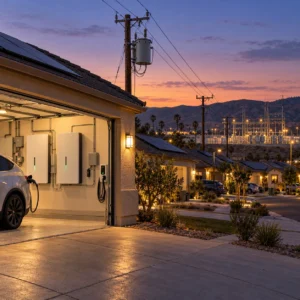
- Residential and commercial electrification-heat pumps, EV charging, and smart buildings-are adding to the pressure, particularly during extreme weather when heating and cooling loads spike.
The North American Electric Reliability Corporation (NERC) has labelled large, fast-growing loads as a priority risk in its 2025 State of Reliability report. Traditional planning cycles, which assume gradual load growth, can no longer keep pace. The grid must now secure flexibility resources that can respond in minutes, not years, to maintain reliability.
Yet, compensation structures for these fast-responding resources remain uneven across system operators, slowing their adoption. For executives, this means that rising consumption is creating urgent demand for new capacity and smarter, more responsive grid management.
Variable Renewables: Integration Challenges and Stability Risks
Wind, solar, and battery storage accounted for 93% of 2025 capacity additions, accelerating the shift to a low-carbon grid. However, inverter-based resources behave differently from traditional spinning generators: they provide less inertial support and require sophisticated controls during faults.
NERC has documented several disturbance events where weak coordination between inverter-based resources and the grid led to unexpected disruptions. In response, grid operators are demanding:
- New ride-through standards to ensure renewables stay online during voltage and frequency swings.
- Fast frequency response and grid-forming inverter modes to maintain stability when synchronous machines are offline.
- Expanded transmission capacity to move power from remote renewable zones to load centers.
The challenge is that permitting timelines for high-voltage transmission projects still span eight to twelve years in many jurisdictions. While government funding programs are attempting to accelerate high-voltage construction through grants and streamlined reviews, the gap between new supply and new transmission remains a major bottleneck.
In the interim, utilities are deploying synchronous condensers and advanced inverters as stability aids. But software standards, grid codes, and skilled staff must evolve just as quickly. Market signals are now reflecting these integration costs, making it clear that reliability is no longer a given-it must be actively engineered and paid for.
Market Signals: Scarcity, Pricing, and Investment Urgency
Recent market developments are sending a loud signal about the state of the electric grid. In one major regional market, the latest capacity auction cleared at the maximum allowable price, the highest level in a decade. Analysts describe this result as the clearest scarcity alarm in years, indicating that committed capacity is lagging behind projected peak demand.
This scarcity pricing has two immediate effects:
- Investors see profitable opportunities in fast-build resources such as utility-scale batteries and flexible gas assets that can come online quickly to meet peak needs.
- Every grid stakeholder must reassess project pipelines and timelines, as delays in new generation, storage, and transmission now carry a direct financial cost.
Forward curves for capacity and ancillary services have already widened, reflecting higher risk premiums. Together with forecasts that:
- Utility-scale battery capacity will reach 65 GW by 2026,
- Data-center power demand could triple by 2030,
the message is clear: markets are now rewarding speed, flexibility, and resilience. For executives, this means that funding availability increasingly hinges on demonstrable reliability benefits, not just cost or emissions reductions.
Federal and Utility Investment: Scaling Up Resilience
Governments and utilities are responding with record levels of investment in grid modernization. A major federal grid resilience and innovation program has awarded billions of dollars since 2023 to projects that include:
- Advanced transformers and high-voltage converters using silicon-carbide electronics.
- Microgrids serving critical facilities such as hospitals, ports, and tribal communities.
- Grid-hardening measures like flood protection, elevated substations, and fire-resistant infrastructure.
At the same time, investor-owned utilities are budgeting over $200 billion for grid investment in a single year, illustrating a strategic pivot from reactive repairs to proactive resilience. Typical initiatives include:
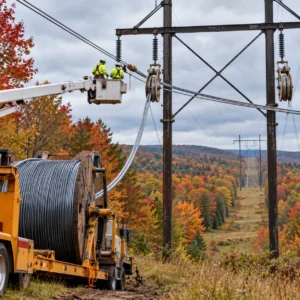
- Hardening feeders and poles to withstand hurricanes, wildfires, and extreme heat.
- Burying critical lines and installing sectionalization to reduce outage duration and scope.
- Deploying mobile batteries to provide emergency power during extended storms.
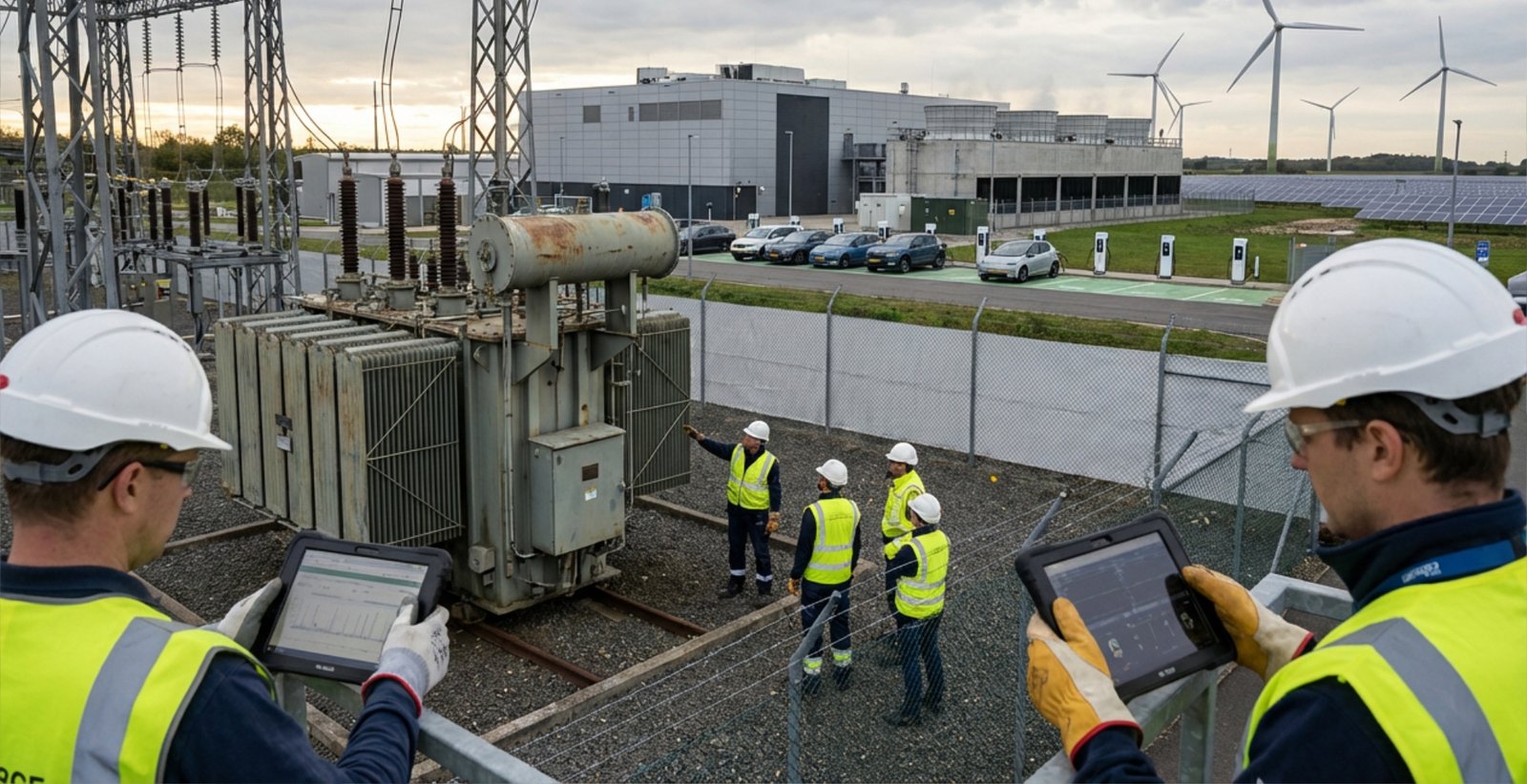
These investments show that capital volumes are sufficient, but execution risk now dominates discussions. Transformer lead times have stretched to 60 months, and supply-chain constraints are pressuring schedules. As a result, coordinated procurement pools and domestic manufacturing incentives are expanding to reduce dependency on long-lead, imported equipment.
Emerging Technology Tools for Resilience
Technology is playing an increasingly central role in building a more resilient electric grid:
- Advanced analytics, sensors, and power electronics enable faster fault isolation and restoration, reducing outage duration.
- Virtual power plants (VPPs) orchestrate thousands of distributed energy resources (DERs) as dispatchable fleets, potentially offsetting gigawatts of peak demand at lower cost than traditional peaking plants.
- Grid-forming inverters provide synthetic inertia and voltage support, allowing the grid to maintain stability even when conventional generators are offline.
- Machine-learning models predict asset failure probabilities, enabling condition-based maintenance and reducing unplanned outages.
- LiDAR and drones allow utilities to inspect lines and assess storm damage within hours, accelerating restoration.
- Cybersecurity platforms now integrate operational technology (OT) visibility with automated patch management, reducing exposure to digital threats.
Experts caution that automation must be accompanied by human training and clear operating procedures to avoid new vulnerabilities. Digital and hardware innovations together create a multi-layered resilience strategy, but preparation for weather extremes remains paramount.
Preparing for Extreme Storms and Climate Stress
Climate models show that hurricane rainfall intensity is increasing, wildfire seasons are lengthening, and heatwaves are becoming more frequent and severe. The electric grid now faces concurrent wind, flood, heat, and fire stresses, requiring a comprehensive hardening strategy:
- Burying critical feeders and elevating substations in flood-prone areas.
- Installing fire-resistant metal poles and clearing vegetation in high-risk zones.
- Using sectionalization to limit the number of customers affected by a single fault.
- Deploying mobile batteries and microgrids to supply emergency power during extended outages.
- Pre-staging crews and equipment through regional mutual-assistance agreements ahead of major storm forecasts.
Satellite and radar data are now feeding AI models that predict fault clusters hours before landfall, allowing managers to position spares and crews strategically. This shift from reactive response to predictive, pre-positioned restoration is turning inevitable weather threats into manageable events.
Data-driven approaches to extreme weather resilience read more
Strategic Roadmap: Four Priority Actions for the Next Five Years
Experts converge on four priority actions that C-suite leaders should champion over the next five years:
- Update resource adequacy metrics
Revise planning assumptions to reflect high-load growth scenarios, including data centre, EVs, and industrial electrification, to avoid underestimating future capacity needs. - Streamline transmission permitting
Advocate for faster, more predictable permitting processes for high-voltage transmission that can unlock diverse renewable resources and relieve congestion. - Reward flexibility and fast-responding services
Support market designs that properly compensate fast frequency response, demand response, and other flexibility resources that enhance grid reliability. - Integrate cyber and physical resilience
Align budgets and planning across units to ensure that cybersecurity, physical hardening, and operational continuity are treated as a single, cohesive resilience strategy.
Transparent progress tracking will be essential to maintain public and investor confidence. A coordinated strategy that aligns technology, capital, and policy is the only way to build a dependable, resilient electric grid in the face of accelerating change.
Looking Ahead
North America’s electric grid stands at a watershed moment. Demand is exploding, supply sources are shifting, and storms are growing more destructive. Yet, billions in investment, new market rules, and advanced technology can transform these looming disruptions into a competitive advantage.
For C-suite leaders, the path forward is clear: act early, prioritize flexibility and resilience, and lead projects that fortify the grid. Those who do will secure reliability advantages, lower long-term costs, and position their organizations at the forefront of the energy transition.