In 2026, grid modernization has emerged as one of the most consequential infrastructure trends globally. What was once a background utility concern is now a boardroom-level priority-driven by accelerating electricity demand, aging infrastructure, climate volatility, and the explosive growth of AI-powered data centers.
Across developed and emerging economies alike, the message is clear: modernize the grid or risk systemic failure.
The Demand Shock Reshaping Energy Systems
After decades of relatively flat electricity demand, the global power system has entered a structural growth phase.
Three forces are driving this shift:
- AI and hyperscale data centers, requiring uninterrupted, high-density power
- Electrification of transport, heating, and industry
- Climate-driven load volatility, including extreme heat and weather events
Globally, data center electricity consumption is projected to more than double compared to early-2020s levels by 2026. Some individual campuses now demand power equivalent to mid-sized cities. This represents a permanent reset in how energy demand is forecast, planned, and managed.
Why Legacy Grids Are No Longer Fit for Purpose
Much of the world’s grid infrastructure was designed for:
- One-way power flow
- Predictable demand patterns
- Centralized generation
That model is now obsolete.
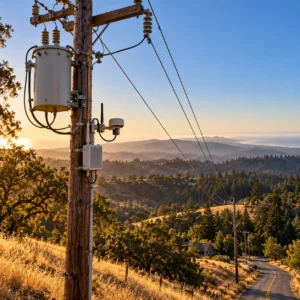
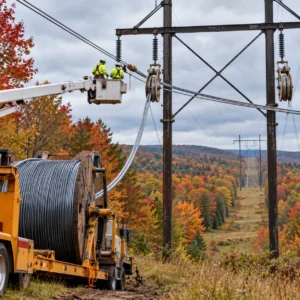
Across regions, a majority of transmission lines, transformers, and substations are approaching or exceeding their intended life cycles. At the same time, grids must now support:
- Bidirectional power flows from renewables and storage
- Real-time demand response
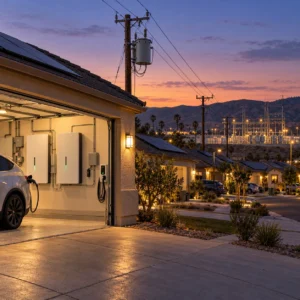
- Distributed energy resources (DERs)
- Cyber-resilient digital operations
The result is rising outage risk, interconnection bottlenecks, and growing economic exposure.
What Grid Modernization Really Means
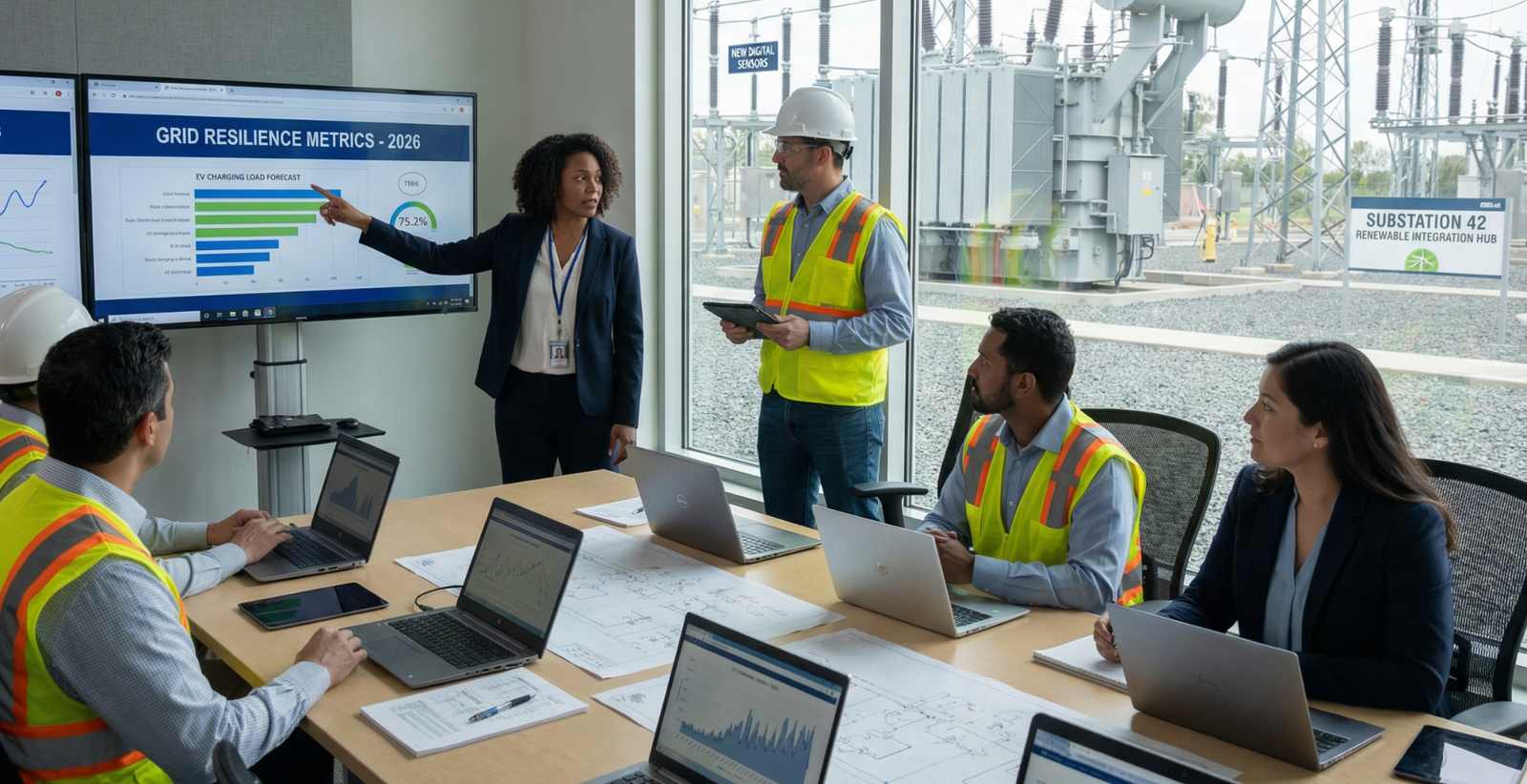
Grid modernization is not a single upgrade-it is a system-wide transformation built on five pillars:
- Digital Intelligence
Advanced sensors, AI-driven analytics, and real-time grid visibility - Advanced Metering Infrastructure (AMI)
Two-way communication enabling dynamic pricing, outage detection, and demand response - Distributed Energy Integration
Seamless orchestration of solar, storage, EVs, and microgrids - Automation and Self-Healing Networks
Systems that detect, isolate, and restore faults autonomously - Cybersecurity by Design
Protecting critical infrastructure from escalating digital threats
Together, these elements convert the grid from a static asset into an adaptive, software-defined platform.
The Strategic and Economic Stakes
Grid modernization now intersects directly with:
- National security
- Economic competitiveness
- Industrial policy
- Climate resilience
- AI and digital infrastructure growth
Failure to modernize constrains data center deployment, delays renewable integration, increases blackout risk, and inflates long-term system costs. Conversely, modern grids unlock productivity, resilience, and new business models across the energy ecosystem.
Leadership Implications
For C-suite leaders, grid modernization is no longer a technical discussion-it is a strategic exposure.
Key questions executives must address:
- Is our growth strategy constrained by grid capacity or reliability?
- Are we prepared for rising power volatility and regulatory scrutiny?
- Do our investments assume outdated grid economics?
- Are we engaging with utilities, policymakers, and technology partners early enough?
Those who treat grid modernization as a foundational enabler-not a downstream dependency-will hold a structural advantage over the next decade.