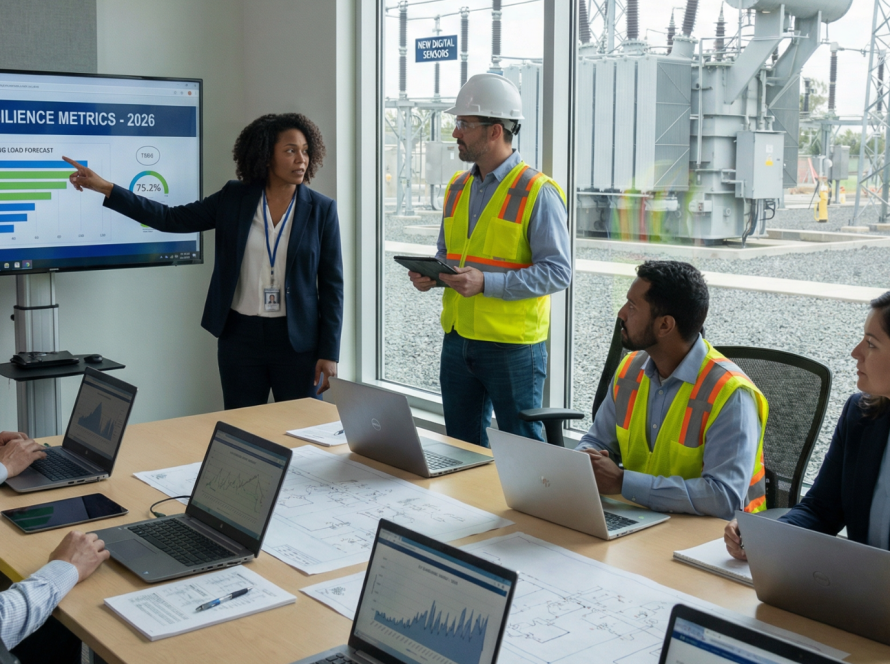
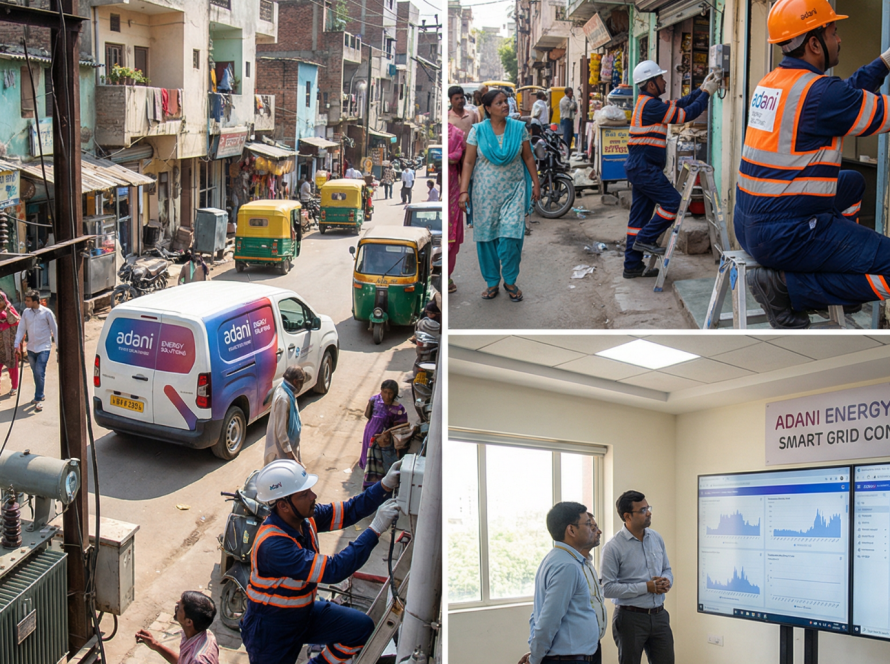
The U.S. Department of Energy (DOE) has launched the Speed to Power Initiative, a new effort to accelerate the development of large-scale power generation and transmission projects. The initiative is designed to ensure that the nation’s energy infrastructure can meet rising demand from artificial intelligence, data centers, electric vehicles, and new manufacturing growth.
Meeting the Energy Demands of the AI Era
According to the DOE, U.S. electricity demand is increasing for the first time in nearly two decades. The surge is largely driven by artificial intelligence, high-performance computing, and large data centers. The initiative aims to help the United States maintain affordable, reliable, and secure power supplies while meeting this rapid growth.
The DOE’s analysis indicates that the current rate of grid development is insufficient to support the country’s expanding industrial and digital economy. Without accelerated investment, capacity shortfalls and reliability risks could increase significantly over the next decade.
A Request for Input from Industry Stakeholders
As the first step, the DOE has issued a Request for Information (RFI) seeking feedback from utilities, transmission operators, energy developers, and state agencies. The department is specifically asking for input on near-term investment opportunities, project readiness, expected load growth, and the key bottlenecks preventing new energy infrastructure from being built.
Stakeholders are also invited to recommend how the DOE can best leverage existing funding and authority to fast-track multi-gigawatt generation and transmission projects. The department will use this feedback to prioritize projects that can be completed quickly and deliver immediate grid benefits.
National Energy Emergency Declaration
The initiative aligns with the administration’s National Energy Emergency Declaration, which was issued to ensure that the United States has sufficient firm power to support both AI-driven industries and growing household energy needs. The order emphasizes that expanding reliable power generation is vital for economic and national security.
To maintain energy reliability during the transition, the DOE has directed several fossil fuel facilities previously scheduled for closure to remain in operation temporarily. Officials argue that while renewable energy deployment remains important, firm generation sources such as natural gas and coal are necessary to stabilize the grid and prevent outages.
Balancing Energy Security and Grid Reliability
The DOE’s Speed to Power Initiative seeks to identify large projects that can deliver capacity quickly while meeting the criteria of affordability, reliability, and security. Projects under review could include both new generation facilities and high-capacity transmission lines connecting regions with surplus power to high-demand centers.
The department manages billions of dollars in financing through its Loan Programs Office and related energy funds. These resources may be redirected to support projects that align with the initiative’s goals. Earlier this year, a $4.9 billion loan guarantee for a major transmission line connecting Midwest renewable power to eastern markets was withdrawn in favor of a broader strategy focused on projects ready for immediate implementation.
Parallel Actions to Strengthen Grid Resilience
Alongside the DOE’s initiative, the Federal Energy Regulatory Commission (FERC) has introduced new measures to strengthen grid resilience and cybersecurity. The updates focus on mitigating supply chain risks, improving preparedness for extreme cold weather, and reducing the likelihood of large-scale blackouts.
Together, these coordinated actions aim to address critical gaps in the national power system and ensure that both new and legacy infrastructure can support the country’s increasing power needs.
Changing Energy Mix and Market Impact
Analysts expect that the Speed to Power Initiative may extend the operational life of several existing power plants. Projections suggest that some coal and gas facilities scheduled for retirement through 2028 could remain online to stabilize regional grids and meet near-term demand.
According to recent figures from the U.S. Energy Information Administration, coal consumption for electricity generation rose by about 20 percent in the first quarter of 2025 compared with the same period in 2024. This growth reflects both higher industrial demand and temporary reliance on firm power sources as renewable and storage capacity scales up.
While some experts warn this could slow progress toward emissions reduction targets, others view it as a short-term necessity to ensure the reliability needed for AI infrastructure, manufacturing expansion, and digital transformation.
Accelerating Toward a Smarter, Stronger Grid
The DOE’s Speed to Power Initiative marks a pivotal moment in the modernization of America’s power infrastructure. Its success will depend on how quickly federal, state, and private stakeholders can coordinate permitting, financing, and construction timelines.
By prioritizing shovel-ready projects, leveraging advanced technologies, and balancing traditional and renewable generation sources, the United States aims to secure the energy foundation required for its digital future.
As the AI economy expands, reliable energy is emerging as a critical competitive advantage. The Speed to Power Initiative is designed to ensure that the nation’s grid evolves fast enough to meet that challenge.