As cities swell and climate threats multiply, the world’s infrastructure faces a stress test unlike any before. Over the next three decades, two-thirds of humanity will live in urban areas, with most of that growth concentrated in Asia and Africa. Energy demand, water scarcity, mobility congestion, and cyber threats are converging to define a new era of risk and opportunity.
Smart infrastructure was once about efficiency. Today, it is about survival and regeneration. The next frontier lies in building systems that not only recover from disruption but also strengthen economies, ecosystems, and communities over time.
What “Smart” Gets Right—and Where It Falls Short
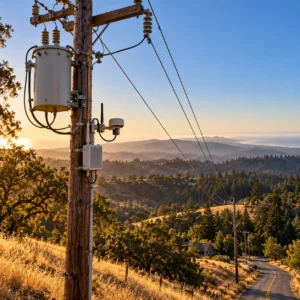
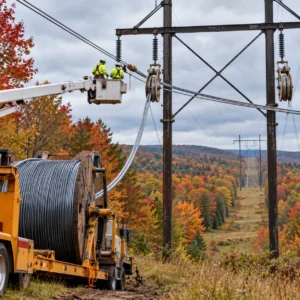
Digitalization has already proven its worth in improving uptime and safety. Utilities that deploy automation and fault isolation restore power faster after storms. Transport networks use data analytics to cut delays and predict failures before they occur. Digital twins, virtual replicas of physical systems are now mainstream, helping operators optimize maintenance, reduce costs, and plan decarbonization paths.
Yet the smart-city movement often stops at the asset level. Cities install sensors and dashboards but rarely link the insights to procurement, budgeting, or community outcomes. The approach is too siloed. Resilience remains something measured in systems, not felt by citizens.
Equally concerning is the unevenness of investment. While megacities attract capital and pilots, smaller cities and rural regions where grid fragility and water stress are most acute, often remain disconnected. The smart infrastructure model must evolve from isolated projects to regional ecosystems that connect urban and rural assets, markets, and people.
From Resilient to Regenerative: A Practical Blueprint
The path forward is not theoretical. It begins with concrete, measurable actions that tie technology investment to resilience outcomes.
1. Start with Risk-to-Value Use Cases
Prioritize projects that reduce risk and deliver savings within 12 to 24 months. Examples include feeder automation, digital substations, and flood-aware routing for critical transport corridors. Each project should carry specific metrics: SAIDI and SAIFI improvements, outage-minute reductions, avoided truck rolls, and hazard-loss avoidance. When resilience is measured in both reliability and dollars saved, it gains traction with financiers and regulators alike.
2. Elevate Digital Twins into Decision Engines
Digital twins should move beyond visualization. Modern twins simulate retrofit sequences, outage constraints, and capital-expenditure phasing. When linked to work management systems, they guide procurement and verify contractor performance. Cities and utilities using twins as operational tools consistently report double-digit savings in operations and maintenance budgets.
3. Build Urban–Rural Synergies on Three Fronts
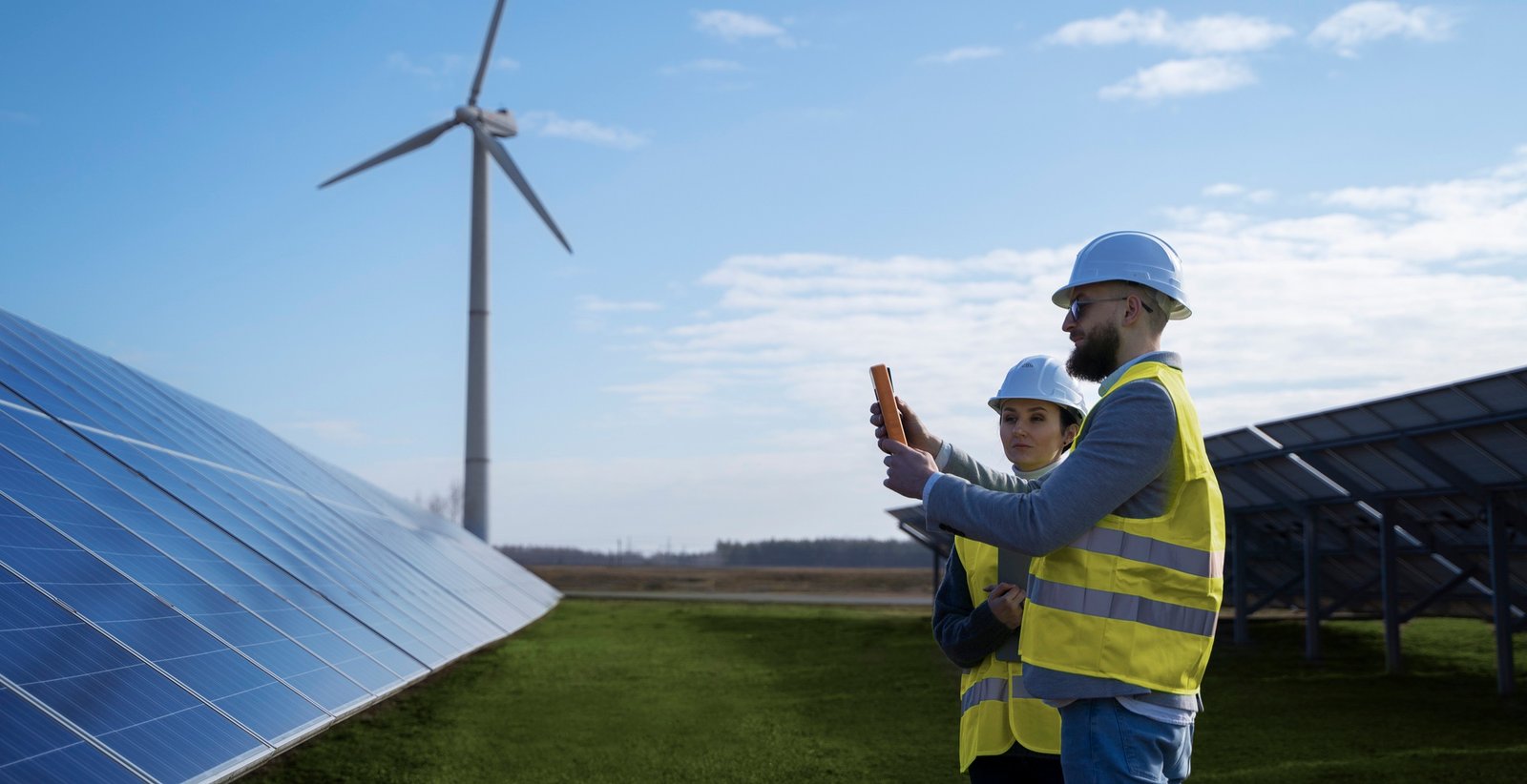
Power: Combine self-healing urban grids with rural microgrids for critical services such as water plants and hospitals. Direct surplus renewable power dynamically to where demand peaks.
Mobility: Use regional data platforms to size electric transit routes and on-demand fleets so that rural populations can access jobs, education, and healthcare.
Water and Waste: Deploy IoT sensors and AI analytics for leak detection, waste routing, and flood prediction. Municipal pilots show that digital monitoring can cut operational costs and emissions simultaneously.
4. Bake in Cyber Resilience
As digital layers multiply, cyber resilience becomes as vital as climate resilience. Infrastructure operators must adopt zero-trust architectures, network segmentation, and joint cyber-climate drills. The same predictive tools that forecast floods should also model cyber vulnerabilities, ensuring rapid containment and recovery.
5. Move from Sustainable to Regenerative Pilots
Sustainability focuses on minimizing harm. Regeneration aims to create net-positive impact. Urban heat reduction through nature-based design, circular materials in construction, and community wealth creation all deliver compounding benefits. Programs that pair digital modernization with green-grid projects and people-centered planning consistently show the highest returns on investment.
What Leaders Should Do Next
Align Capital With Outcomes
Link financing and vendor payments to resilience metrics. Examples include fault-isolation time, mean time to recovery, and flood-passability indices. Investors increasingly prefer outcome-based contracts that verify performance through data rather than promises.
Scale Proven Plays
Replication drives impact. Duke Energy’s automation upgrades in Florida, which reduced outage minutes by 45 percent, can be replicated in similar feeder systems nationwide. Transportation digital-twin pilots in Singapore and Rotterdam could extend to freight corridors and aging bridge networks, providing live insights into asset health.
Integrate Community Input
Smart infrastructure succeeds fastest where innovation meets inclusion. Regional compacts that engage civic groups and local governments early in the design process gain legitimacy and accelerate implementation. Public participation also builds social resilience—communities are more likely to protect and sustain systems they helped design.
Tell the Data Story
Data without storytelling is invisible. Public agencies should publish quarterly resilience ledgers quantifying avoided outages, emissions, and economic losses. This turns abstract engineering success into tangible proof of value, strengthening public support and investor confidence.
Why Regeneration Is the New Resilience
The global conversation around resilience is evolving. The next generation of smart infrastructure will not simply defend against shocks; it will restore ecosystems, redistribute opportunity, and regenerate regional economies.
This shift requires a new mindset, one that blends technology, policy, and community design. It asks leaders to view data as a social asset, to treat every infrastructure dollar as both a financial and ecological investment, and to measure success not by uptime alone but by wellbeing, equity, and adaptability.
The technology already exists: self-healing grids, adaptive transport platforms, AI-based flood models, and circular construction materials. The task now is coordination and inclusion.
A regenerative region is not built by machines; it is enabled by them but sustained by people. When smart infrastructure moves beyond efficiency toward shared prosperity, resilience becomes more than a goal, it becomes a way of living.