
EU Moves to Fast-Track Power Grid Projects to Restore Industrial Competitiveness
The European Union is preparing to significantly accelerate approvals for power grid projects as part of a broader effort to reduce energy costs and strengthen industrial competitiveness across the region.
New proposals published by the European Commission outline measures to shorten permitting timelines for electricity grid projects from as long as ten years to a maximum of two years. Under the proposed framework, projects would receive automatic approval if authorities fail to respond within the deadline.
The initiative reflects growing concern over Europe’s energy cost disadvantage. Industrial electricity prices in the EU are currently more than twice as high as those in the United States and China, a gap that energy-intensive manufacturers say is discouraging new investment and driving production to other regions.
Permitting Reform Aimed at Accelerating Grid Modernization
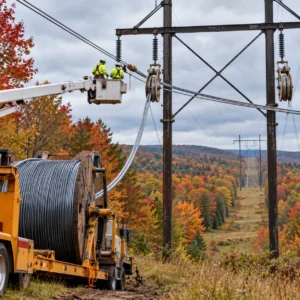
The Commission’s proposals focus on speeding modernization of Europe’s power networks, which have lagged investment for years and are increasingly unable to accommodate rising electricity demand and growing renewable generation.
Ageing grids across the EU have struggled to absorb fluctuating wind and solar output, leading to frequent curtailment of low-cost renewable electricity. This inefficiency has contributed to higher system costs and reduced energy security.
By sharply reducing approval timelines, EU policymakers aim to unlock stalled infrastructure projects and provide clearer signals to investors and industrial energy users.
Cross-Border Planning to Address System Fragmentation
A central pillar of the proposal is the development of EU-wide planning for cross-border electricity infrastructure, moving beyond the current patchwork of national grid strategies.
Under the new framework, the EU would have the authority to initiate calls for project proposals where cross-border infrastructure gaps exist. Recent large-scale blackouts in parts of southern Europe have underscored the risks created by insufficient interconnectors between national grids, limiting the ability to move power to areas of highest demand.
EU officials have emphasized that fragmented planning has weakened system resilience and increased costs, particularly during periods of stress.
Scale of Investment Required
The European Commission estimates that 1.2 trillion euros in grid investments will be required by 2040 to modernize infrastructure and support electrification, renewables integration, and industrial demand.
To support this effort, the EU has earmarked 30 billion euros in its 2028–2034 budget for cross-border energy projects. These funds are intended to de-risk large infrastructure investments and accelerate projects with pan-European benefits.
Security and Risk Oversight Strengthened
The proposals also introduce new requirements to address growing security concerns surrounding critical energy infrastructure.
EU-funded cross-border grid projects would be required to undergo assessments for physical security and cybersecurity risks. In addition, projects would be screened for ownership structures or involvement by foreign entities to identify potential strategic or geopolitical risks.
These measures reflect heightened awareness following recent incidents involving damage to European energy infrastructure.
Environmental and Regulatory Debate
While the proposals are intended to accelerate deployment, they have drawn criticism from environmental groups over provisions that would remove certain environmental assessment requirements for grid projects. Supporters argue the changes are necessary to meet urgent infrastructure needs, while critics warn of reduced oversight.
The proposals will now move into negotiations among EU member states and lawmakers before final approval.
Executive Takeaway
Europe’s grid modernization effort represents a structural shift in how the region plans, approves, and secures its electricity infrastructure. With energy prices a defining factor in industrial competitiveness, faster permitting, coordinated cross-border planning, and large-scale investment are becoming economic imperatives rather than policy options.
For executives in energy-intensive industries, infrastructure development, manufacturing, or capital markets, the outcome of these reforms will directly influence long-term cost structures, investment decisions, and Europe’s position in global supply chains.
HVDC modernization as a capital-efficient grid strategy read more